Discover Serbia: Culture, Landscape & Unforgettable Tours
Serbia is the operational core of Victor Tours and the natural gateway to the Balkans. Its central position enables efficient routing, strong logistics, and seamless connections with neighboring countries. The destination combines vibrant urban life, deep historical layers, and a strong cultural identity shaped by Roman, Byzantine, Ottoman, and Austro-Hungarian influences. Belgrade functions as a regional hub, offering excellent infrastructure and accessibility. Beyond the capital, Serbia reveals fertile plains, river corridors, monasteries, and protected natural landscapes. Local gastronomy, folklore, and traditions play a key role in the overall travel experience. Serbia works equally well as a standalone destination or as the backbone of multi-country Balkan itineraries.
Serbia facts
Serbia is a landlocked country at the crossroads of Central and Southeast Europe, known for its rich history, vibrant culture, and significant contributions to science and sports. Its capital and largest city is Belgrade, one of Europe’s oldest continuously inhabited urban areas.
- Location: Situated in the Balkans, Serbia borders Hungary, Romania, Bulgaria, North Macedonia, Albania, Bosnia and Herzegovina, and Croatia. It is a landlocked nation, but the Danube and Sava rivers connect it to inland Europe and the Black Sea.
- Population: Approximately 6.7 million people, with ethnic Serbs constituting the majority.
- Language: The official language is Serbian, which is unique for its use of both the Cyrillic and Latin alphabets.
- Religion: The predominant religion is Eastern Orthodox Christianity, with the Serbian Orthodox Church playing a central role in national identity.
- Government: Serbia is a unitary parliamentary republic with an upper-middle-income economy.
- Inventors and Scientists: Serbia is home to renowned scientists and inventors. Nikola Tesla, the pioneer of the alternating current (AC) electricity supply system, is perhaps the most famous. Mihajlo Pupin, a physicist and Pulitzer Prize winner, was also a significant figure.
- Sports: Serbs excel in sports, especially tennis, basketball, and water polo. Novak Djokovic, widely considered one of the greatest tennis players of all time, is a national icon.
Must-See Places & Key Destinations
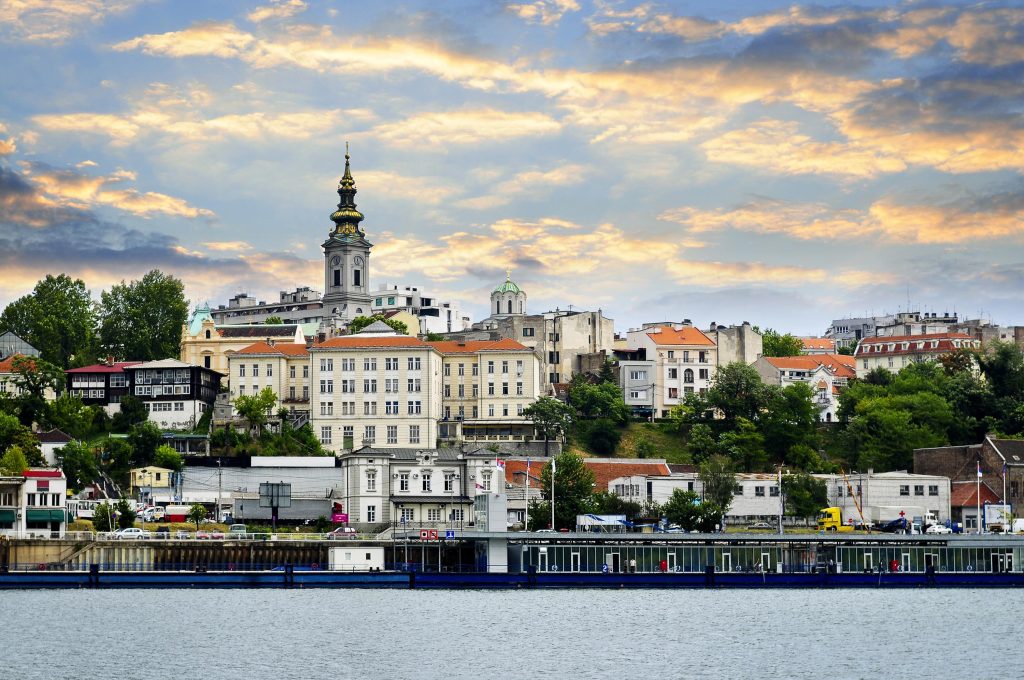
Belgrade
Serbia’s capital city lies at the confluence of the Danube and Sava rivers and has been a strategic crossroads for centuries. The city combines historical layers with a vibrant contemporary lifestyle, visible in its fortresses, museums, cafés, and riverfront promenades. Belgrade is known for its energetic nightlife, cultural scene, and welcoming atmosphere. It serves as the main gateway for international visitors to Serbia.
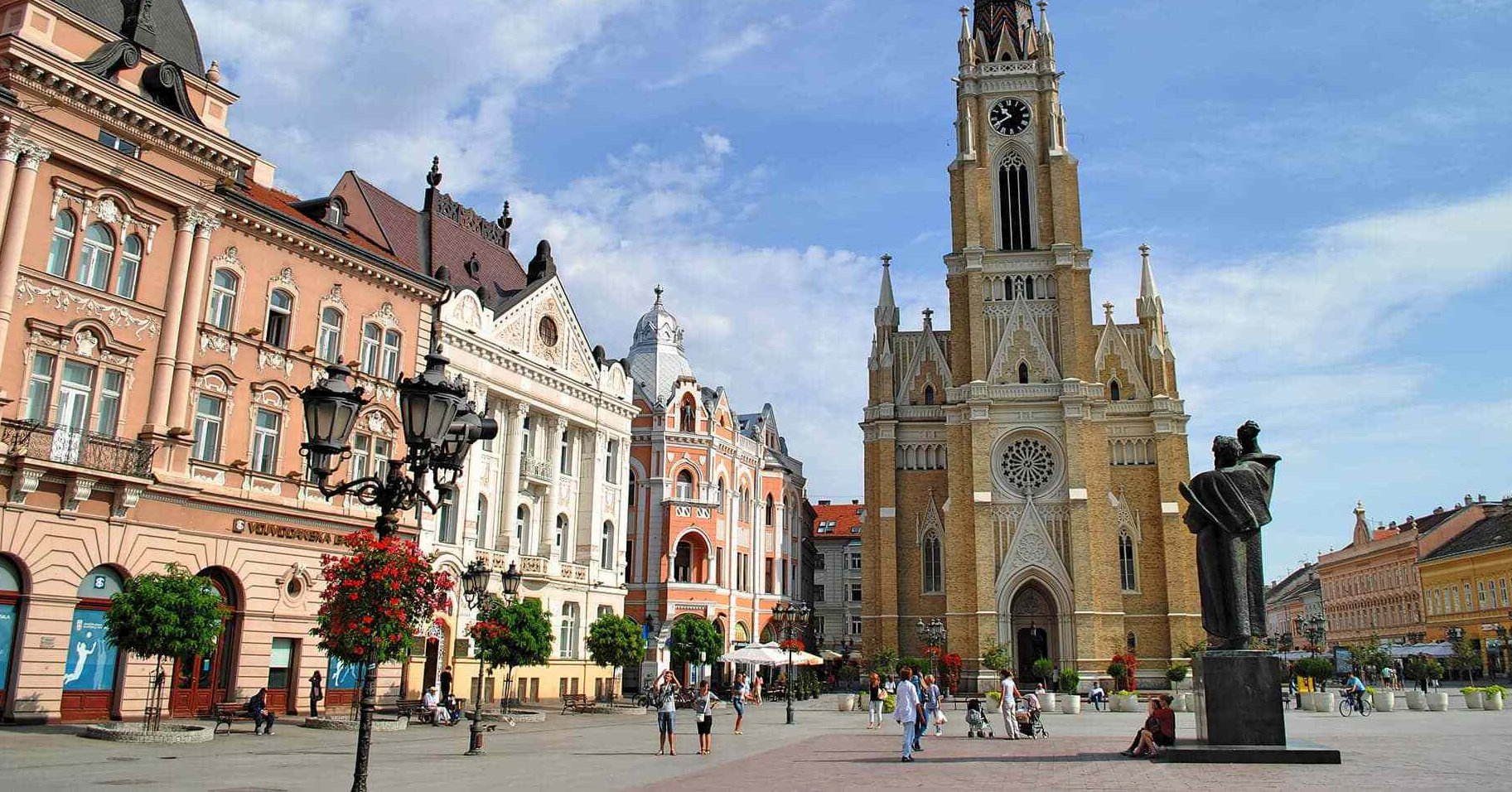
Novi Sad
Often referred to as Serbia’s cultural capital, Novi Sad is a charming city located on the banks of the Danube. It is home to the imposing Petrovaradin Fortress, which offers panoramic views over the river and hosts the internationally renowned EXIT music festival. The city is known for its relaxed pace, Austro-Hungarian architecture, and lively café culture. Novi Sad is an essential stop on any Serbian itinerary.
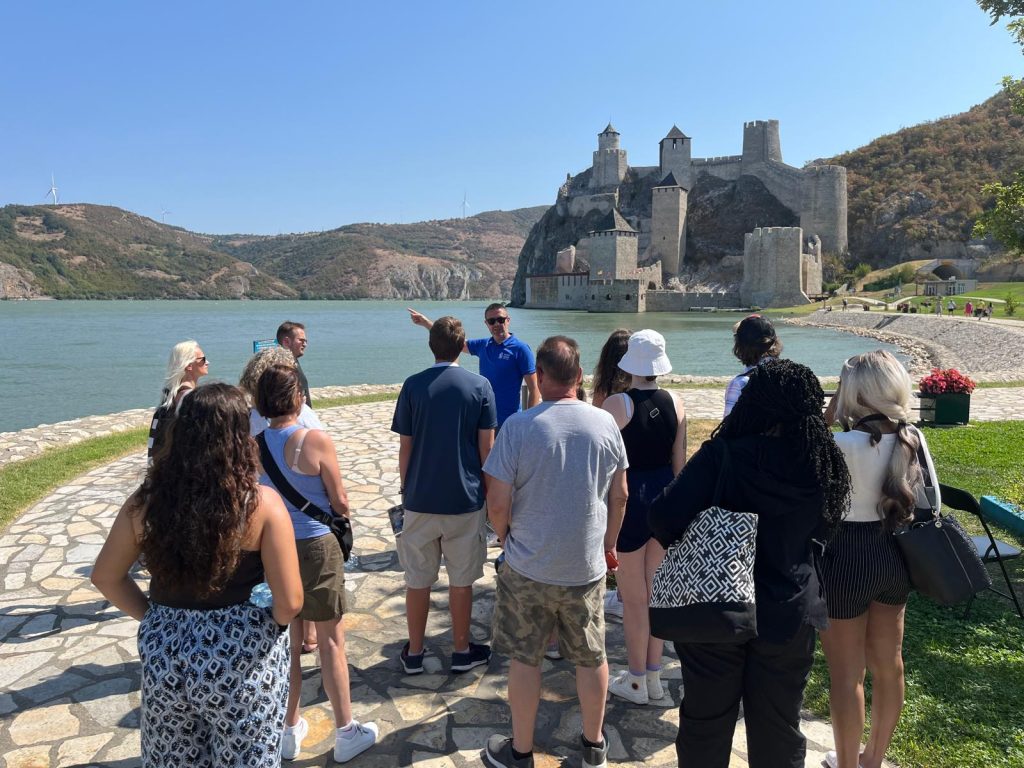
Golubac Fortress
Situated at the entrance of the Iron Gate Gorge on the Danube River, Golubac Fortress is one of Serbia’s most impressive medieval landmarks. Its dramatic towers rise directly from the riverbank, creating a striking visual landmark. The fortress has been carefully restored and offers interactive exhibitions and scenic viewpoints. It is a key highlight for cultural and nature-focused tours along the Danube
Zlatibor Mountain
Zlatibor is one of Serbia’s most popular mountain destinations, known for its fresh air, open landscapes, and traditional villages. It offers a wide range of outdoor activities, including hiking, cycling, and winter sports. The region is also recognized for wellness tourism and local gastronomy. Zlatibor is well-suited for leisure groups, families, and longer stays.
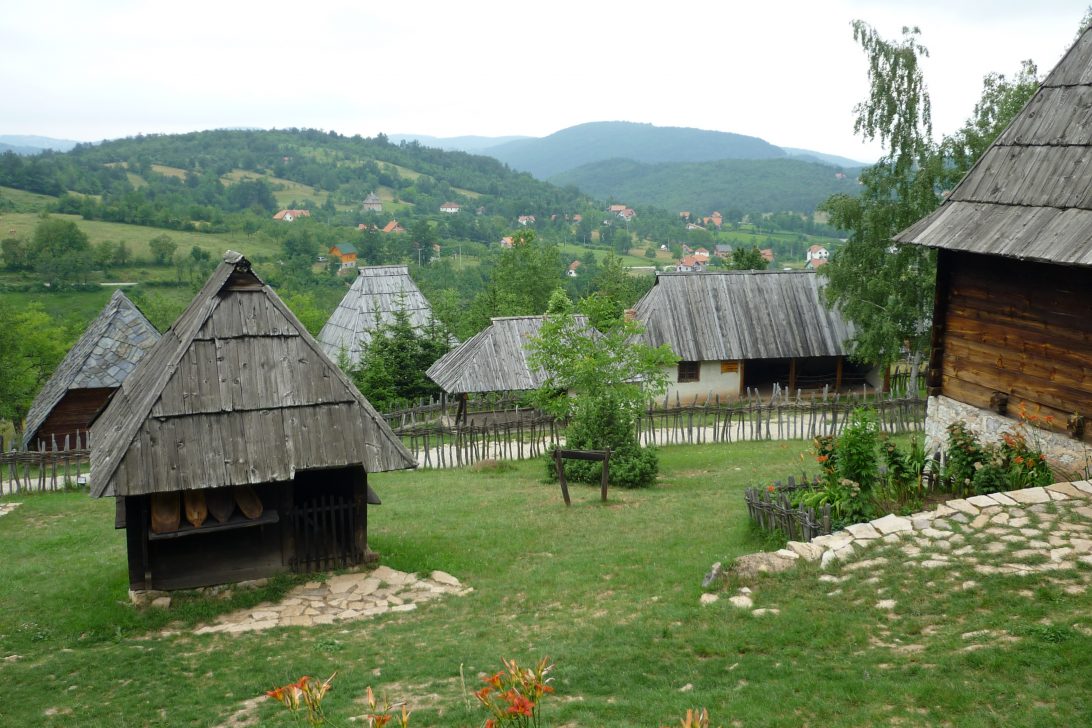
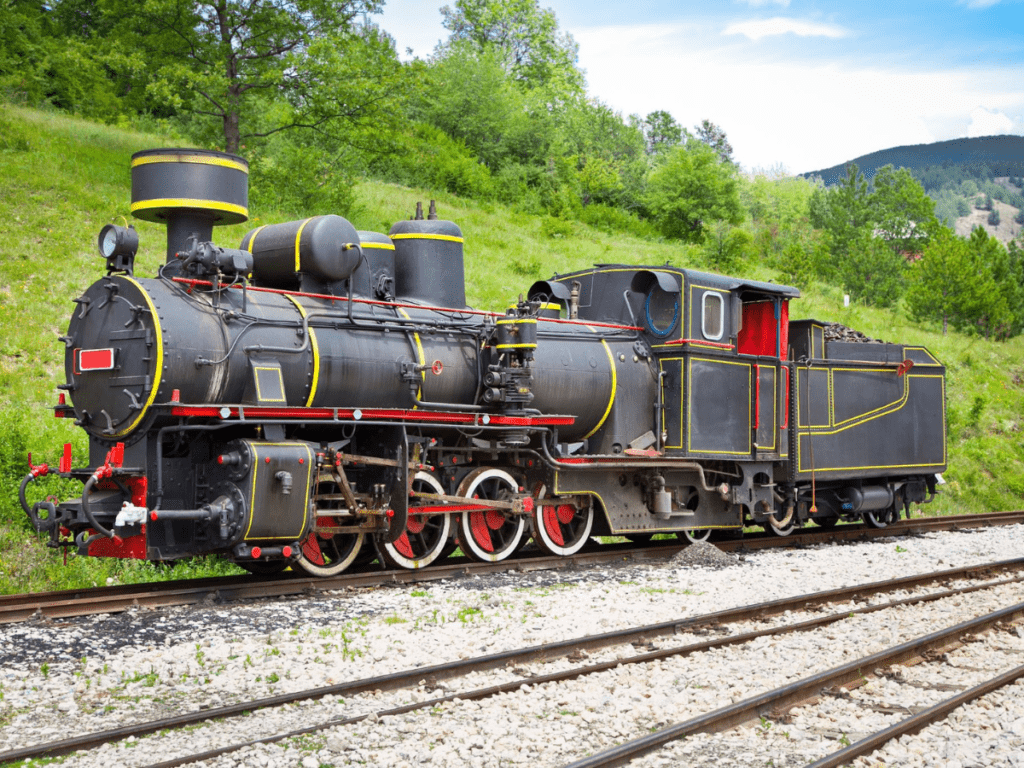
Šargan Eight Railway & Drvengrad
The Šargan Eight is a unique narrow-gauge heritage railway famous for its figure-eight track through mountainous terrain. The scenic ride offers panoramic views and a nostalgic travel experience. Nearby Drvengrad, a traditional wooden village created as a cultural project, showcases Serbian architecture, crafts, and artistic events. Together, they form a distinctive cultural and historical attraction in western Serbia.
Immerse yourself in the tastes of Serbia
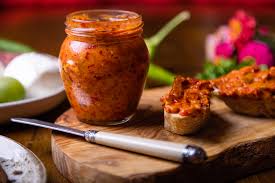
Ajvar
A rich spread made from slow-roasted red peppers, traditionally prepared at home during autumn and stored for winter. Ajvar is a staple on Serbian tables, served with fresh bread, cheeses, and grilled meats. Its preparation is often a social ritual that brings families and neighbors together. The balance of sweetness and smokiness makes it one of Serbia’s most recognizable flavors.
Pljeskavica
A grilled meat patty made from a blend of minced meats and carefully selected spices, commonly served with onions, kajmak, and flatbread. Often described as the Balkan burger, pljeskavica ranges from simple street food to refined restaurant versions. It reflects Serbia’s strong grilling tradition and love for bold, hearty flavors. This dish is enjoyed nationwide and is equally popular with locals and visitors.

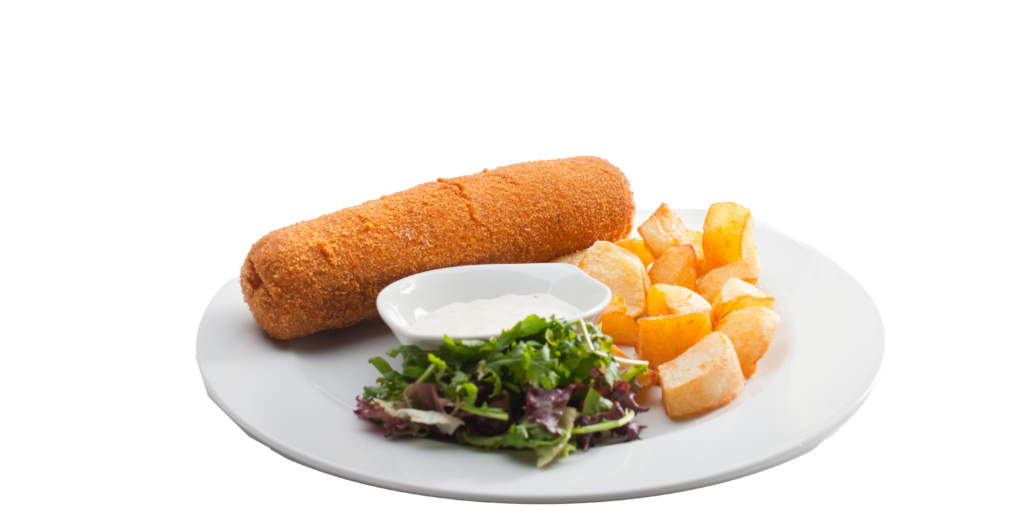
Karađorđeva Steak
Karađorđeva steak is one of Serbia’s most iconic traditional dishes, created as a refined interpretation of classic Serbian cuisine. It consists of breaded, fried veal or pork schnitzel filled with creamy kajmak, giving it a rich, indulgent character. The dish is typically served with roasted potatoes or vegetables and a slice of lemon, which balances its full flavor. Named after Karađorđe Petrović, the leader of the First Serbian Uprising, it is widely regarded as a symbol of national pride and is commonly featured in traditional restaurants.
Rakija
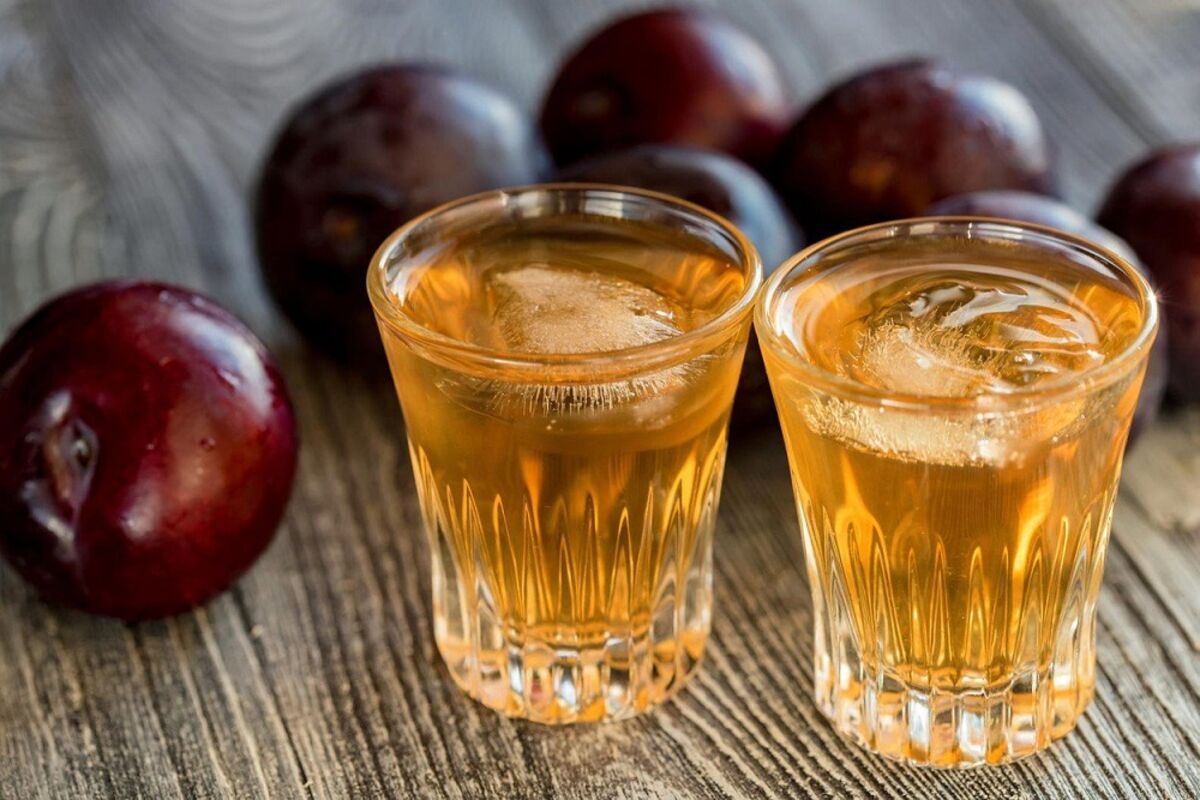
A traditional fruit brandy, most commonly made from plums, but also from apricots, pears, or quince. Rakija is deeply embedded in Serbian culture and is offered to guests as a sign of welcome and respect. It is present at celebrations, family gatherings, and everyday encounters alike. Homemade varieties are especially valued and proudly shared.
Meals in Serbia are social events rather than simple nourishment, centered on generosity, conversation, and togetherness. Food plays a key role in welcoming guests and strengthening personal connections, making dining an essential part of the travel experience.
Cultural Traditions & Local Heritage
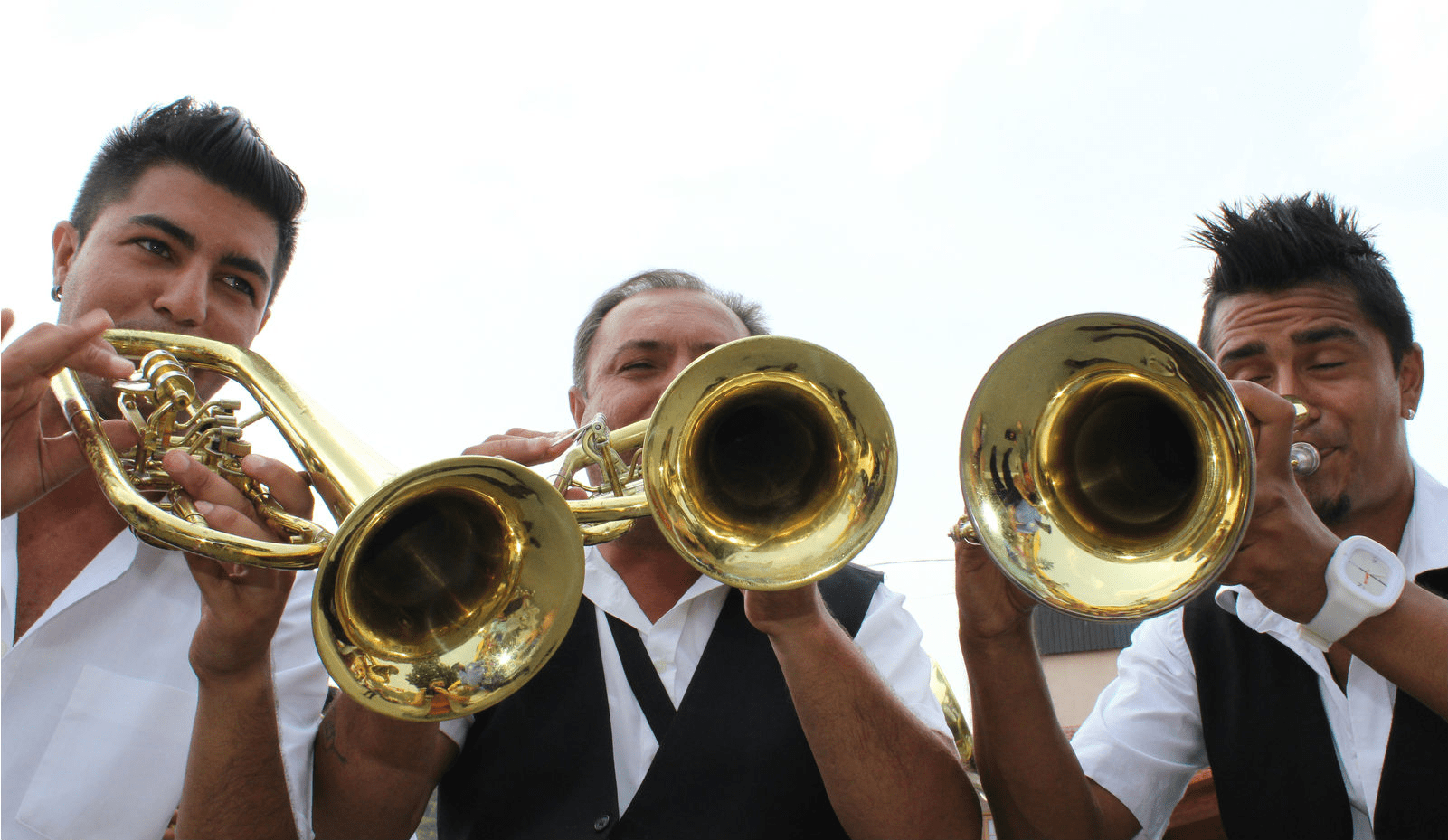
Guča Trumpet Festival
One of the most famous music festivals in Southeast Europe, the Guča Trumpet Festival celebrates Serbia’s strong brass band tradition. Held annually in the town of Guča, it brings together musicians and visitors from around the world. The festival atmosphere is lively and informal, filled with spontaneous performances, dancing, and street celebrations. It is a powerful expression of Serbian musical identity and communal spirit.
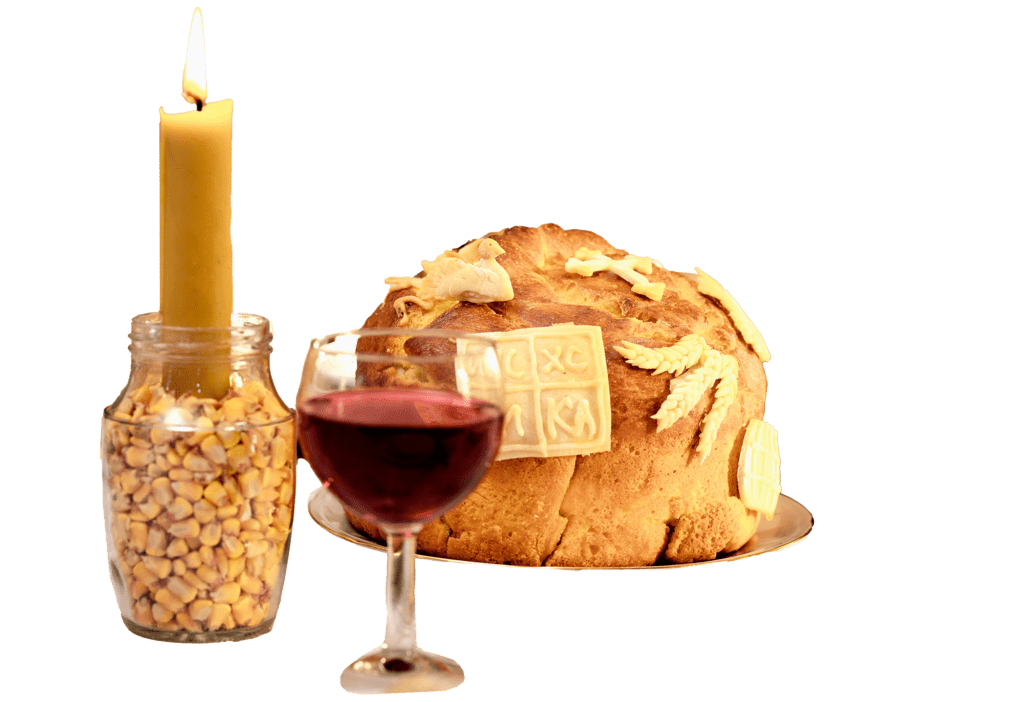
Slava – Patron Saint’s Day (UNESCO)
Slava is a uniquely Serbian Orthodox tradition in which each family honors its patron saint once a year. The celebration includes religious rituals, symbolic foods, and a festive meal shared with relatives, friends, and neighbors. Hospitality plays a central role, as guests are welcomed throughout the day regardless of prior invitation. Recognized by UNESCO as Intangible Cultural Heritage, Slava is a key element of Serbian cultural and spiritual identity.
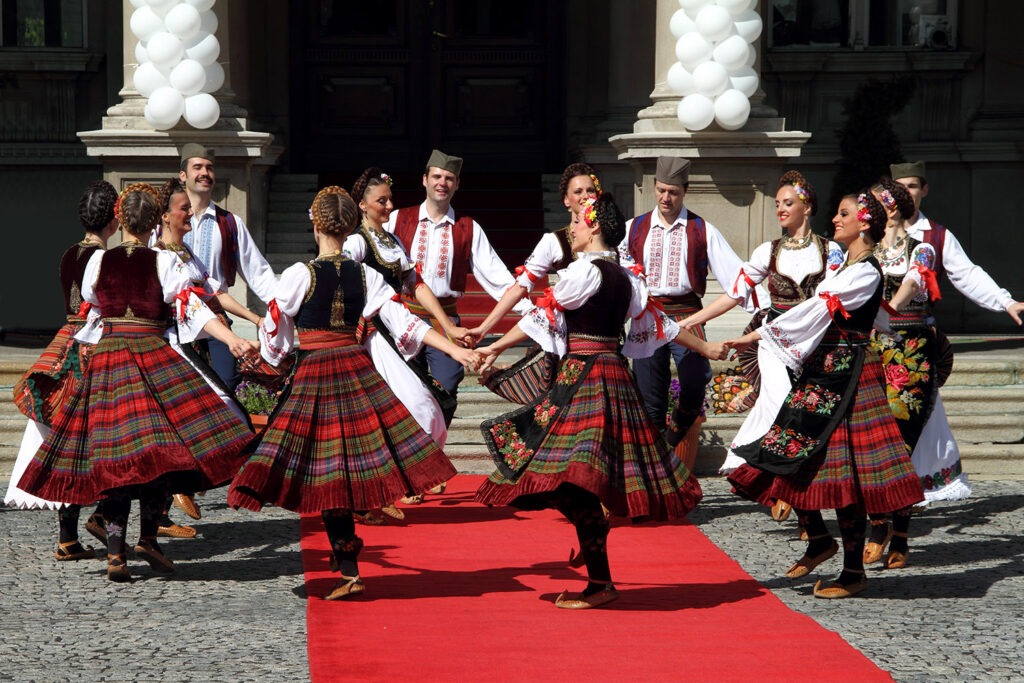
Kolo Folk Dance
Kolo is a traditional circle dance performed by participants holding hands and moving in coordinated steps to rhythmic music. It is commonly seen at weddings, festivals, and public celebrations across Serbia. The dance symbolizes unity, equality, and community, as all dancers move together without a leader. Kolo remains an important living tradition, passed down through generations and taught from an early age.